- The Ritual by Maker
- Posts
- Better Energy in 2026: Matcha and Caffeine
Better Energy in 2026: Matcha and Caffeine
How much is in your cup, and why it feels different than coffee.
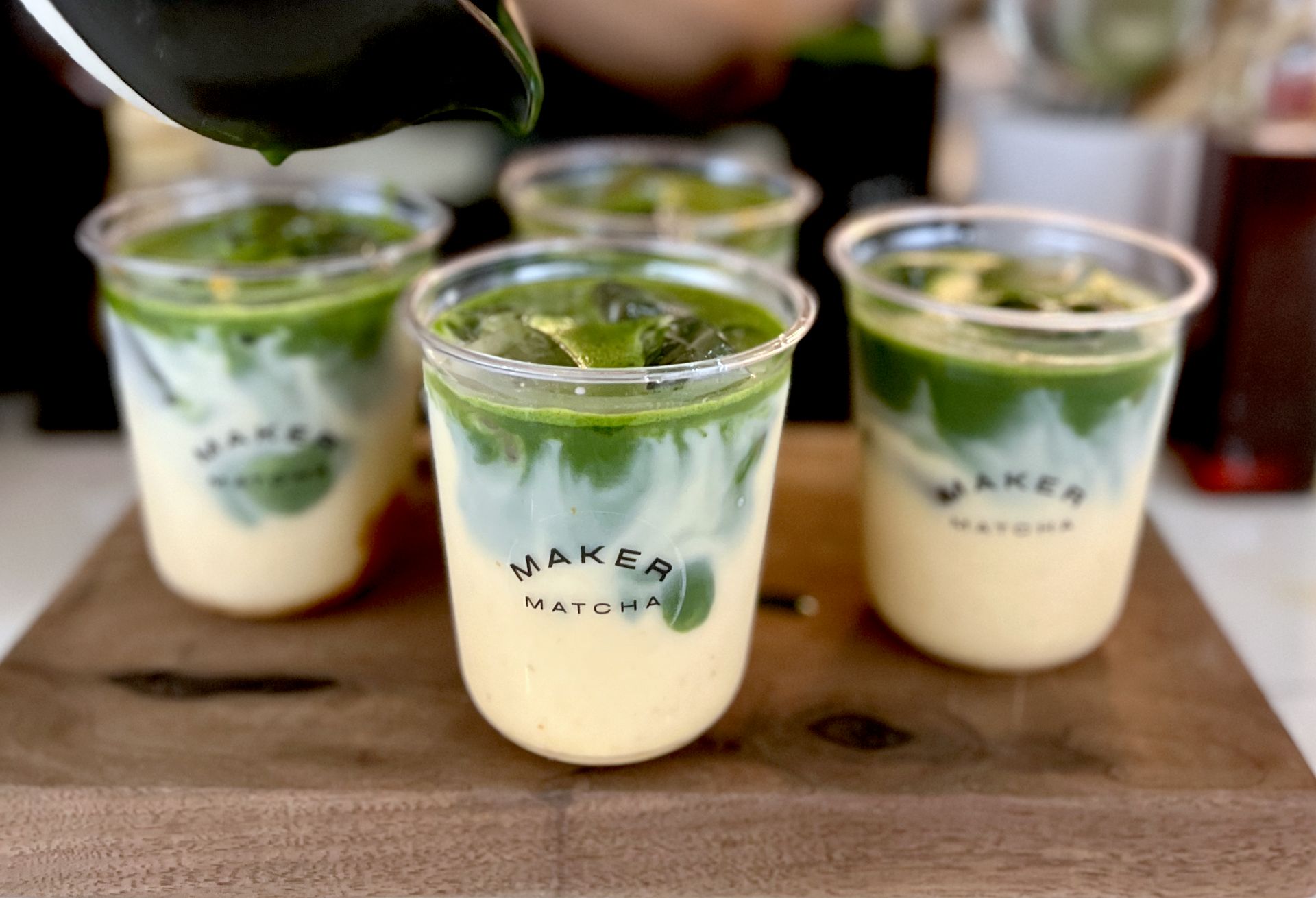
Matcha caffeine explained — how much is in your cup, and why it feels different than coffee
If you’ve ever thought, “Matcha hits different,” you’re not imagining it. Yup, matcha does contain caffeine, but the experience can feel smoother and steadier for a lot of people compared to coffee.
Today, we’re breaking down:
How much caffeine is typically in matcha
Based on 2–4 grams per drink, our Maker Matcha recommendation.
How matcha compares to coffee and other teas
How much is “too much”
Practical tips to enjoy the boost without accidentally sabotaging your sleep
And yes, we’ll answer the common question:0
“So… how many matchas is too many matchas?”
Maker Matcha note: our matcha is a high-grade, first-harvest (spring) matcha with rich, floral, sweet tasting notes — made for your daily ritual.
How much caffeine is in matcha?
Matcha is powdered green tea. Because you drink the whole leaf (not just steeping it and tossing the leaves), the caffeine can add up — especially when you go “generous scoop” mode.
A helpful range: matcha contains ~18.9–44.4 mg of caffeine per gram. It varies by harvest, grade, and how it’s processed. (Source: Verywell Health)
Caffeine in one Maker Matcha serving (2–4 grams)
Using that per-gram range:
2g matcha → ~38–89 mg caffeine
3g matcha → ~57–133 mg caffeine
4g matcha → ~76–178 mg caffeine
So matcha can be “lighter than coffee,” “similar to coffee,” or “stronger than coffee” — depending on your scoop.
Matcha vs coffee vs tea — quick caffeine comparison
Here are common reference points for an 8 oz / 237 mL drink, as per Mayo Clinic:
Brewed coffee (8 oz): ~96 mg caffeine
Black tea (8 oz): ~48 mg
Green tea (8 oz): ~29 mg
Now layer matcha on top: if your drink uses 2–4g, you’re anywhere from 38–178 mg.
Most steeped teas are lower caffeine
Coffee is reliably high
Matcha is flexible — it depends on your grams
Why matcha feels different than coffee for many people
Even when the caffeine is similar, matcha’s “vibe” often isn’t.
1) Matcha naturally contains L-theanine — this combo matters
Matcha contains L-theanine, an amino acid often associated with a calmer, more focused form of alertness — and research suggests matcha’s full combination can perform differently than caffeine alone.
One study found matcha (with caffeine) supported attention/work performance under stress differently than caffeine alone. (PMC)
2) You’re consuming the whole leaf
Because matcha is a powdered leaf suspended in liquid, you’re getting more of the plant compounds alongside caffeine (not just a steeped infusion). That’s one reason matcha can be more “substantial” than regular green tea. (Verywell Health)
3) Ritual and pacing (yes, this counts)
A matcha is often made slowly, sipped more slowly, and paired with food more often than a quick coffee. That alone can change how intense it feels. (Translation: fewer “keyboard tremors,” more “let’s do the thing.”)
How much matcha per day is healthy?
Caffeine tolerance is wildly individual. But for general guidance, Health Canada recommends the maximum daily caffeine intake for adults is up to 400 mg/day.
What that means in “matcha math”
This is of course not medical advice, but if your matcha drink uses 2–4g then many people will feel great at 1–2 drinks/day. Some can do 3 (especially if they’re using 2g each and not drinking other caffeine). If you’re regularly doing 4g servings + coffee + pre-workout/energy drinks, you can hit the ceiling fast.
If you’re pregnant/breastfeeding/planning pregnancy, the margin is smaller — consider keeping servings lighter and talk to a healthcare professional for personalized guidance.
How much matcha is “too much”?
“Too much” usually shows up as symptoms, not a number.
Common signs you should scale back:
feeling jittery, anxious, or unusually wired
headaches
racing heart/palpitations
stomach irritation
sleep getting worse (especially trouble falling asleep)
energy crash later that feels harsher than usual
And here’s the sneaky one: You think you’re tired, so you add caffeine, but you’re actually underslept — and caffeine is just putting a fun hat on the problem.
Choose based on your goal
We recommend 2–4 grams per drink depending on the size of your cup and time of day. You can be intentional about where you land. According to Verywell Health:
If you want “calm focus”:
2g is a great default (often ~38–89 mg caffeine)
Ideal earlier in the day, or as your “second cup” after a morning coffee replacement
If you want “productive energy”:
3g is the sweet spot for many (~57–133 mg)
Great for a latte, or when you need a longer runway
If you want “let’s go”:
4g can be a strong hit (~76–178 mg)
Best used earlier (and maybe not on an empty stomach)
Frequently asked questions
How much matcha is in one serving?
For Maker Matcha drinks, we recommend 2–4 grams per drink. (We use a minimum of 3g for 12-14 oz drinks at our pop-ups and matcha bars at events).
Is matcha stronger than coffee?
Sometimes. Coffee is commonly ~96 mg per 8 oz (Source: Mayo Clinic).
Matcha depends on grams — 2g may be lower, 4g may be similar or higher (Source: Verywell Health).
Does matcha keep you awake longer than coffee?
Caffeine is caffeine — but many people report matcha feels steadier. Still, if your sleep is sensitive, treat matcha like you would coffee and avoid it too late in the day.
How late is “too late” for matcha?
There isn’t one universal cut-off, but if sleep quality matters, experiment:
Try moving your last matcha earlier by 1 or 2 hours each week, until sleep improves.
Keep late-day servings lighter (e.g. 2g instead of 4g).
What if I’m sensitive to caffeine?
Many people who are sensitive to coffee enjoy matcha. We’re not health or medical practitioners, but we recommend starting lower. You can also:
Drink it with food
Avoid stacking it with coffee/energy drinks
Track how you feel (energy, anxiety, sleep)
Make the ritual work for your life.
Matcha isn’t just a coffee alternative — it’s a different energy experience, and you get to tune it. Perhaps start with 2 grams, learn what your body likes, and build from there. Your future self (and your sleep) will thank you.
Share your matcha journey with Maker.
We love seeing what you’re making.
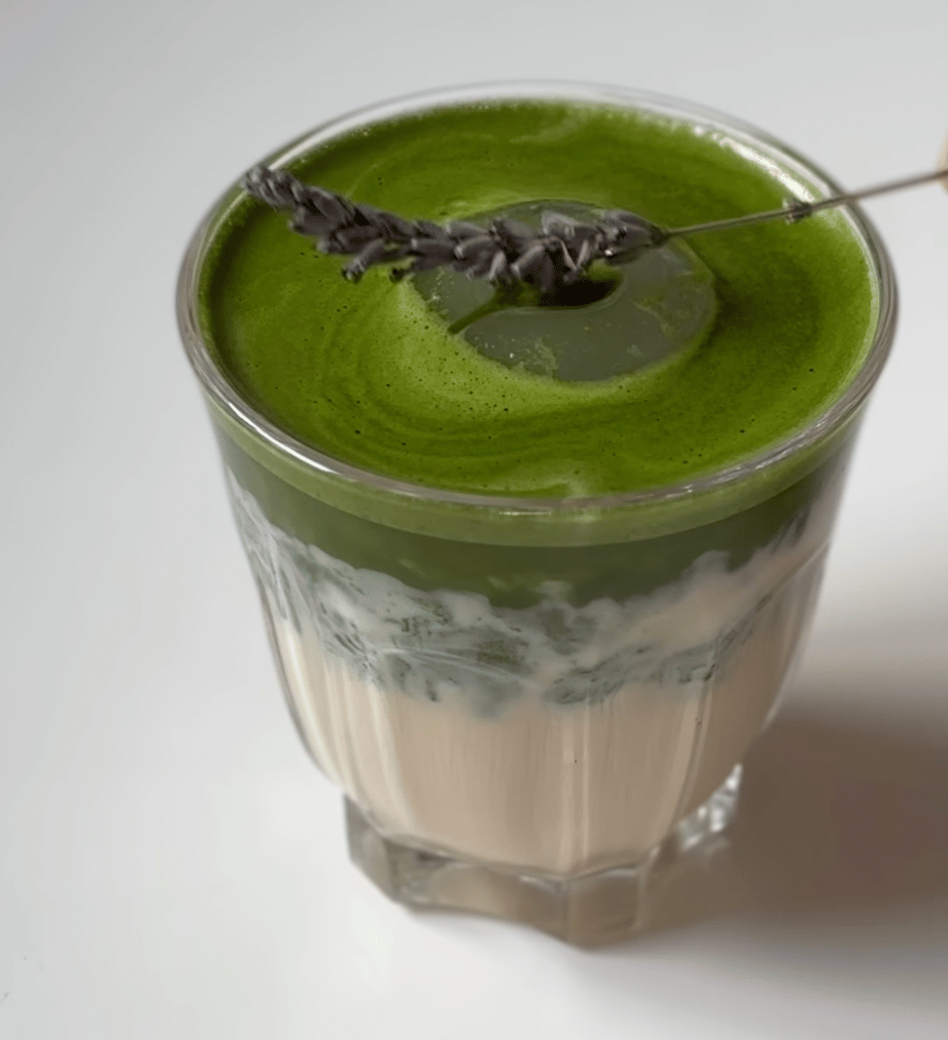
Earl grey lavender matcha with earl grey infused milk.